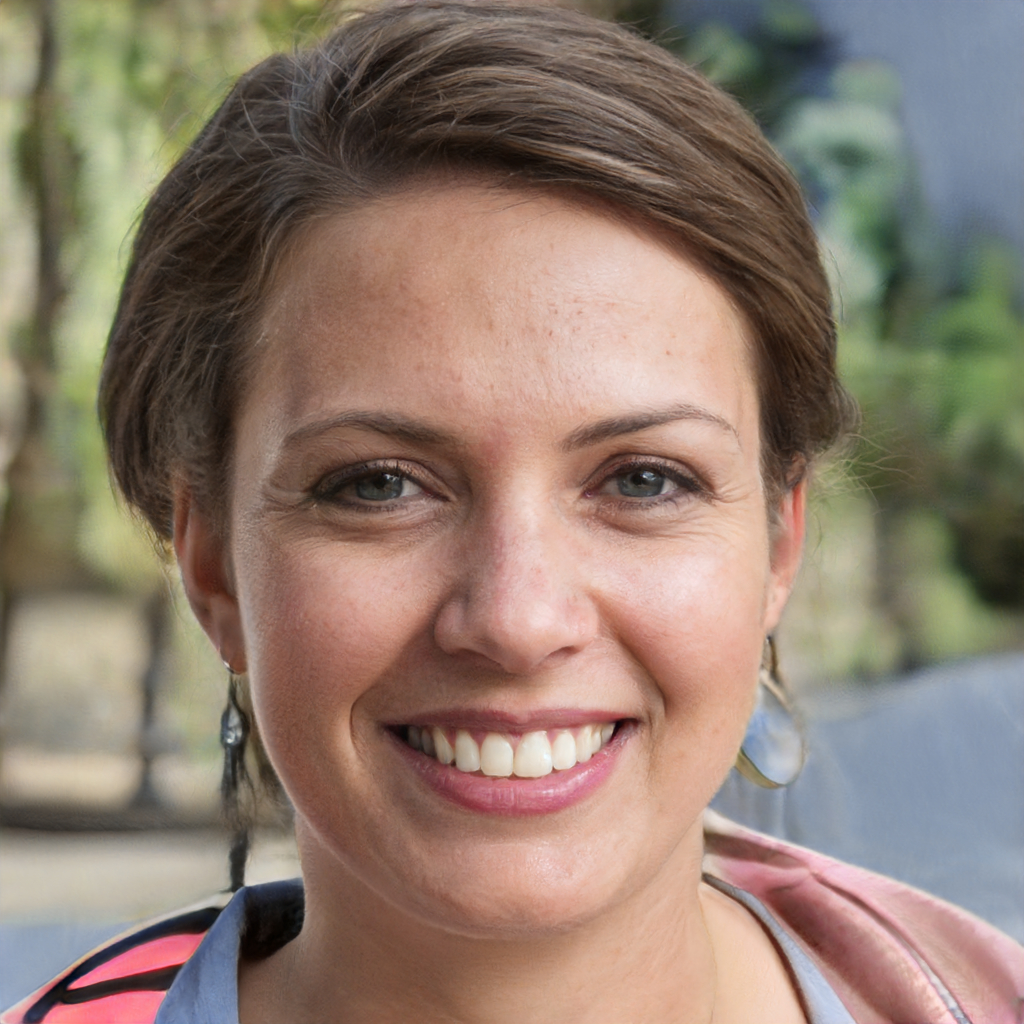
The parish hall always smells of lemon floor wax and the faint, sweet scent of old books. I have been coming to this Tuesday quilting circle for a decade, and honestly, it is the one place where I feel truly steady. I like the rhythm of it. The snip of the scissors, the steady pull of the thread through cotton, and the low hum of gossip that never seems to turn mean.
We are all women of a certain age. We know who we are, or at least, we think we do.
Last month, everything I thought I knew about myself started to come undone in the most quiet way possible. A new woman joined our group. She had moved into the small cottage down on Elm Street after her husband passed. Her name was Helen. She sat across from me, and the first thing I noticed was her eyes. They were wide-set, just like mine, and she had this habit of tucking a stray strand of silver hair behind her ear with a crooked little finger. My heart gave a strange, fluttery little kick, but I told myself it was just old age playing tricks on my nerves.
We spent the first few weeks talking about patterns and batting. She was a good quilter. She had patience. Then, during a break for tea, we started talking about the old county archives.
I have been trying to piece together a family tree for years, though it has always felt like trying to sew a quilt with half the patches missing. I was adopted out of the county home back in 1949. I never knew my birth mother or if I had any siblings. I have carried my own birth paper in my Bible for sixty years, a habit I picked up when I was a teenager and wanted to feel like I actually belonged to someone, somewhere.
“I have mine in my purse,” Helen said suddenly. She wasn’t looking at me. She was looking at the table. “I always wondered if there was a record of the rest of the story.”
I felt a chill run up my spine, a feeling like ice water being poured down my back. I reached into my Bible, which I always keep in my tote bag, and pulled out the folded, brittle parchment.
I had unfolded it a thousand times, but today, my hands were shaking so hard I could barely grip the edges. Helen pulled out her own piece of paper. It looked just like mine. The same cream-colored stock, the same faded ink, the same heavy hospital stamp from the county home.
“Mine says Twin B,” Helen said. Her voice was barely a whisper. She looked up at me, and I saw the confusion in her face turning into something else. Something heavy. “I always wondered what happened to A.”
I didn’t answer right away. I couldn’t. My mouth was dry, and the room seemed to go very quiet. I looked down at my paper, the one I had carried for sixty years, a talisman against the feeling of being a piece of a puzzle that didn’t fit. My eyes tracked down to the bottom line, the one I had memorized so many times it was burned into my mind. I held it out toward her.
“Mine says Twin A,” I said.
The silence that followed was not the quiet of the room. It was the silence of seventy-six years of missing pieces suddenly slamming into place. Helen reached out. Her hand was trembling. She touched the paper, then she touched my hand. Her pinky finger was crooked, exactly like mine. It was a mirror image. Nobody said a word. Even the other women in the circle, who were usually chatty, fell completely silent. They knew. You could feel it in the air.
We didn’t quilt for the rest of the afternoon. We went to my kitchen. We sat at the small laminate table where I have eaten every breakfast for twenty years. We spent the next three hours cross-referencing everything. We matched the hospital stamp, the attending nurse’s signature, and our birth weights. They were recorded just four minutes apart on March 3, 1949. We were born at 4:12 and 4:16 in the morning.
“Do you remember anything?” Helen asked.
“No,” I told her. “I was adopted at six months old.”
“Me too,” she said.
The next few days were a blur. We couldn’t sleep. We kept calling each other at strange hours, just to make sure the other was still there, still real. We went to the historical society together. We needed to know why. Why were we split? Why didn’t our mother keep us? We found the old county ledgers, dusty and heavy. The ink was fading, but the truth was written in clear, sharp script. Our birth mother was a young widow who had contracted pneumonia shortly after we were born. The county rules in 1949 were strict. They wouldn’t allow a single, sick woman to take two infants into a home that was already struggling. They had to split us.
It wasn’t a choice she made because she didn’t want us. It was a system that decided our fates for us, a cold, bureaucratic decision made by people who probably didn’t think twice about the lives they were tearing apart.
“She didn’t abandon us,” Helen said. We were sitting on the floor of the archive room, surrounded by boxes of old, forgotten documents. “She was just gone.”
Hearing that, finally, felt like a weight dropping off my chest. I had spent my whole life wondering what was wrong with me, why I wasn’t enough to keep. I had thought it was a failure of mine, some defect that meant I didn’t deserve to be kept by my own mother. But it wasn’t a failure. It was just a tragedy of timing.
We didn’t try to make up for seventy-six years in a week. We didn’t try to force a relationship. We just started living. Helen moved her sewing station to my house, right next to mine. We started a joint quilt. It’s a messy, beautiful thing, made of scraps from our different lives. She used fabrics from the dresses her adoptive mother made for her in the sixties, and I used the remnants of the curtains I hung in my first home. It’s a strange quilt, but it’s ours.
Our children and grandchildren had a joint dinner last Sunday. It was loud. There were too many people, too much food, and a lot of tears. Watching my children talk to Helen’s children, seeing them realize they had cousins they never knew existed, was the most profound warmth I have ever felt. It wasn’t the kind of heat you feel from a fire. It was the slow, steady warmth of a house finally being closed up for the night.
I know we can’t get those seventy-six years back. I know that. I think about the birthdays we missed, the holidays we spent with strangers while our own blood was living just a few counties away. I used to think time was a line, something that only moved forward. Now I think it’s more like a circle. Things come back around. They find their way home, eventually.
We still have our papers. We keep them in a frame on the porch, under the glass, side-by-side. Twin A and Twin B. They aren’t just records of a birth anymore. They are the start of a story that didn’t end in a cold county home.
This morning, the sun was hitting the porch just right. Helen was sitting in the wicker chair, and I was next to her, finishing the binding on our quilt. We were just sitting there, not even talking, just working the needles in and out of the fabric. My hands are spotted with age, and hers are the same. We both have that same little crook in our pinky fingers. When we hold the quilt, our hands match perfectly. It’s a funny thing, how you can spend a lifetime feeling like you’re missing a piece of yourself, only to find it sitting across from you in a quilting circle, holding the other half of your life in her hands. We are finally where we belong.