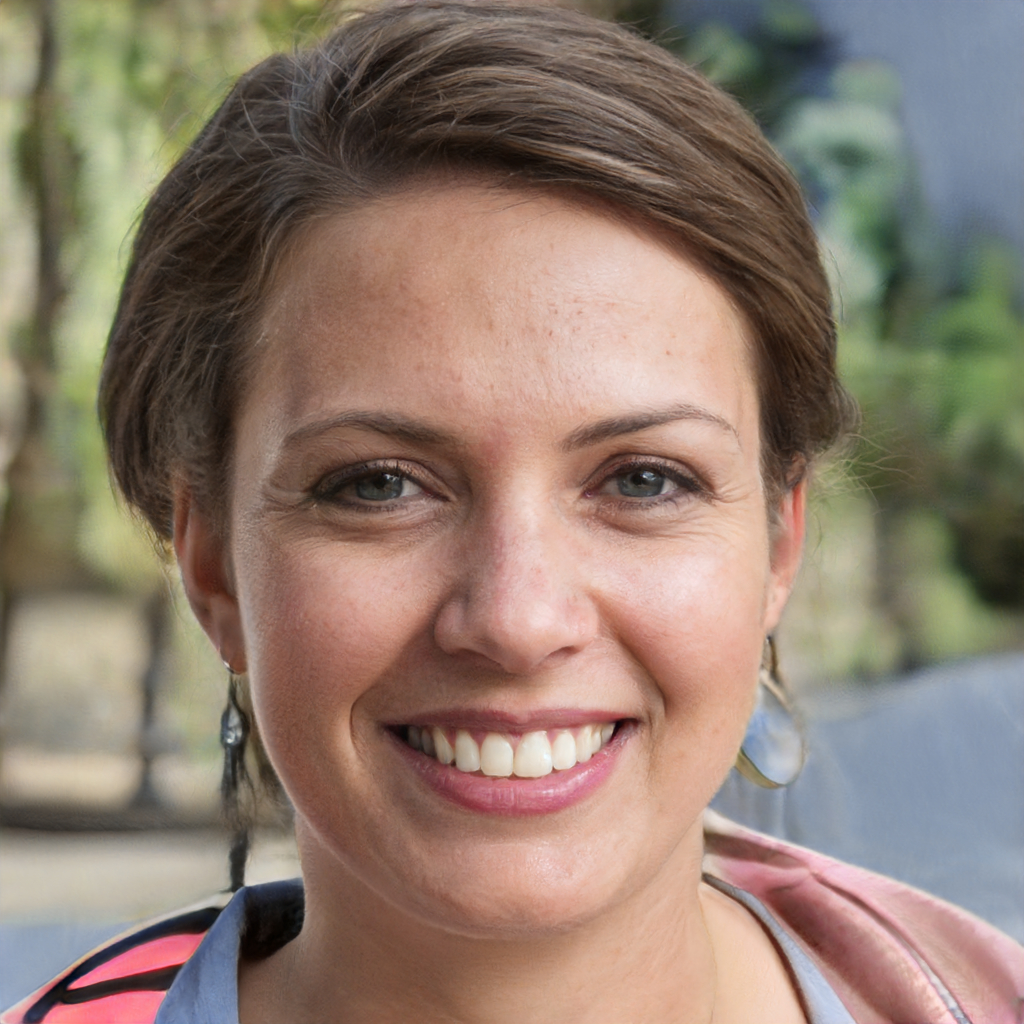
The ceiling paint was the color of a winter sky in Kansas, flat and dusty and unforgiving. It was all over Claire’s hair and the tops of her ears. She looked like a ghost standing on that step stool in the middle of the nursery, trying to reach a corner that didn’t even need painting. She was thirty-two weeks pregnant.

Her feet were swollen in her socks, and she had a jar of lemon drops open on the windowsill, the only thing keeping the nausea at bay.

“You look exhausted, honey,” I said.

She didn’t look down. She just kept dabbing at the drywall. “I want it to be perfect for him, Mom. Evan said he’d help, but he’s out helping Paul with the deck in Topeka.”

I didn’t say anything. I just watched her. There was a single, tiny blue sock sitting on the windowsill where she’d been folding laundry. She’d been doing it for an hour, over and over, folding and refolding until the edges were perfectly square. It wasn’t about the laundry. It was about the silence in the house.

Evan came home late the next night, Sunday. I was still there, sitting in the kitchen, nursing a cold cup of tea. He walked in, dropped his keys on the counter, and didn’t even look at me.

He wasn’t wearing work boots. He was wearing clean sneakers. There wasn’t a speck of sawdust on his jeans, and he smelled like expensive cologne, not lumber or sweat. I stayed quiet. I’ve learned that a mother becomes an intruder the second she points out the obvious to her daughter.

Monday morning, the phone rang. It was 8:12.

“Mom,” Claire whispered. Her voice sounded like it was coming from under a heavy rug. “I need you to come over.”

I didn’t ask questions. I just grabbed my purse and went. When I got there, she was sitting at the kitchen island, staring at the shared tablet. She didn’t look like a mother-to-be. She looked like a woman who had just realized she was living in a house of cards.

“Look at this,” she said.

She pushed the tablet toward me. A notification was still hovering on the screen. A Venmo charge. $176.42.

Jenna L. The note was just a red heart. I scrolled back through the transaction history. $48.10 at a bar. $92.00 for a place called The Hideaway. A $12.00 coffee charge at 8:06 on a Saturday morning, the exact time Evan had texted Claire to say he was at Home Depot with his brother.

“He told me it was a joke,” Claire said, her voice shaking. “He told me she’s just a friend of Paul’s group. He told me I was being hormonal.”

I felt the heat rising in my chest, the kind of anger that makes your vision narrow. “Did you ask him?”

“I asked him,” she said. “He told me to stop starting a soap opera.”

I stood up and walked to the sink. I needed to do something with my hands before I did something I’d regret. My daughter is a dental hygienist. She spends her days looking at what people hide behind their smiles, the decay that’s been there for months, ignored until it starts to ache.

She knew how to sit still. She knew how to wait for the right moment to drill.

“He’s meeting a client at The Copper Skillet at 7:00,” she said. She didn’t look at me. She just picked up her phone and showed me the text.

I didn’t hesitate. I went home, changed into a dark cardigan, and waited. I didn’t want to be the woman who destroyed a marriage, but I wasn’t going to be the woman who watched her daughter get dismantled in her own home.

We pulled into the parking lot of The Copper Skillet at 7:05. The air was cooling off, that sharp, biting chill of October that makes your joints ache. Claire looked pale. She wore one of my old sweaters, something oversized and soft, and she kept her hand resting on her belly. It was a reflex. She was protecting him even when she didn’t know what she was protecting him from.

“Are you sure?” she asked.

“I’m sure,” I said.

We walked in. The place was loud, full of the clatter of silverware and the hum of people who didn’t have their lives falling apart in booths. We asked for a table in the back. The hostess seated us two rows behind a high-backed booth. We couldn’t see their faces, but we could see the back of a man’s head.

Evan.

He was leaning toward someone. A woman in a dark green dress. She was holding a gift bag, the kind you buy at a grocery store, thin paper with a handle that was already starting to tear.

Then the waitress came by. Trina. She’d been working there for ten years. She knew everyone. She set down two glasses of sweet tea and said, “Anniversary booth again, you two?”

I felt Claire go rigid. Her fingers, gripping the edge of the table, turned white.

“Anniversary?” Claire whispered.

I didn’t answer. I just watched. The woman in the green dress reached into the bag and pulled out a yellow onesie. It was covered in little ducks. I knew that onesie. Claire had put it on her registry months ago. It had been marked as sold, and she had spent a whole afternoon wondering who had bought it for her.

She had bought it for herself.

“It’s perfect,” the woman said. Her voice was thin, sharp.

Evan laughed. He reached out and stroked her wrist, a slow, possessive motion.

Claire started to stand up. She didn’t do it with drama. She didn’t scream. She stood up like she was getting ready to walk into an exam room. I stood with her. My heart was pounding, a steady, rhythmic thud against my ribs, the kind of feeling you get when you’re waiting for the storm to break.

We were three steps from their booth when a man appeared out of the shadows. He was wearing a gray work shirt, the kind with a name patch on the chest. He was holding his phone out, his thumb hovering over the screen. He looked like he’d been waiting for this moment for a long time.

He stopped in front of the booth, blocking Evan’s exit.

“Which one of you wants to explain the heart emoji?” the man asked.

Evan froze. He didn’t look like a man who was confident anymore. He looked like a man caught in a lie he’d forgotten to finish. He turned his head and saw us. His face went flat. The color drained out of him, but he didn’t look sorry. He looked annoyed.

“This isn’t the time, Paul,” Evan said.

The man in the gray shirt, Paul, didn’t move. “My wife is at home with our kids, Evan. And I see your wife standing right behind you.”

The restaurant went quiet. It wasn’t the kind of quiet that happens when people stop talking. It was the kind of heavy, suffocating silence that feels like the air has been sucked out of the room.

Claire walked around the table. She didn’t look at the woman in the green dress. She looked at Evan. She looked at him the way she looked at a cavity. She saw the rot. She saw the plaque. She saw exactly how deep the damage went.

“I have the gift card, Evan,” Claire said. Her voice was steady. “The one from our anniversary. I checked the balance on the app.”

Evan stared at her. He didn’t have a word. He didn’t have a lie left in his mouth.

“You used it here,” Claire said. “On Tuesday. With her.”

She reached into her cardigan pocket and pulled out a folded piece of paper. She laid it on the table, right next to the little yellow duck onesie. It was the receipt. The one she’d printed from the bank portal.

“You didn’t even have the decency to pay with your own money,” Claire said.

She turned around then. She didn’t look back at him. She didn’t look at the woman, who was currently trying to shrink into the vinyl seat. She looked at me. Her eyes were bright, hard, and clear.

“Let’s go, Mom,” she said.

We walked out of that restaurant into the cold October air. My car was sitting under the yellow glow of the streetlamp. I didn’t say a word as we got in. I didn’t offer comfort. I didn’t tell her it would be okay, because I didn’t know if it would be.

Claire sat in the passenger seat, staring out the window at the dark parking lot. She reached up and touched her hair, feeling the dried, chalky paint she’d smeared on herself while she was busy trying to build a nursery for a man who was already planning to leave.

“I’m going to change the locks,” she said.

She didn’t say it like a question. She didn’t say it like she was looking for permission. She said it like a woman who had finally finished her shift and was ready to go home.

I started the engine and pulled away, leaving the lights of The Copper Skillet behind us in the rearview mirror. I looked over at her one last time. She was finally breathing. She wasn’t holding her belly anymore. She was just sitting there, looking ahead at the road, the silence in the car finally feeling like something we could live with.