Nutrition Tips for Long Meeting Days: How to Reduce Stress Snacking

Long meeting days can quietly increase stress, especially when schedules are packed and breaks feel too short.
In these moments, many people find themselves reaching for snacks not because they are truly hungry, but because they are tired, tense, or simply looking for a quick comfort. This pattern, often called stress snacking, can lead to inconsistent energy levels and a sense of dissatisfaction by the end of the day. The good news is that with a few thoughtful nutrition habits, it is possible to reduce stress-driven eating while still feeling nourished and focused.
Understanding the difference between physical hunger and stress-related cravings is an important first step. Physical hunger tends to build gradually and can be satisfied with a variety of foods. Stress-related cravings, on the other hand, often appear suddenly and are usually tied to specific comfort foods, especially those high in sugar or salt. Taking a brief moment to pause before reaching for a snack can help you identify what your body truly needs. Sometimes a glass of water or a short mental break can be just as helpful as eating.
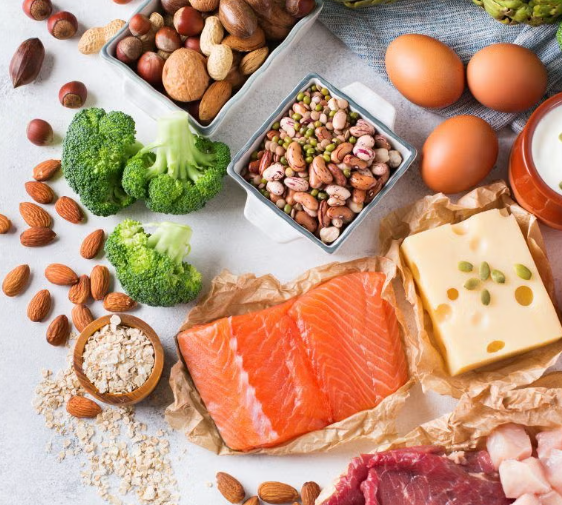
One of the most effective ways to reduce stress snacking is to maintain regular, balanced meals throughout the day. When meals are skipped or delayed, your body may respond with stronger cravings later on. Eating at consistent times helps stabilize blood sugar levels and reduces the urge to snack impulsively. A balanced meal that includes complex carbohydrates, protein, and healthy fats provides steady energy and keeps you feeling satisfied for longer periods.
Planning your meals ahead of a busy day can make a noticeable difference. When you have nourishing food readily available, you are less likely to rely on whatever is most convenient in the moment. Preparing a simple lunch and a couple of mindful snacks in advance can give you a sense of control over your choices. This preparation does not need to be complicated. Even a basic combination of whole grains, vegetables, and a protein source can support steady energy and reduce the likelihood of stress-driven eating.
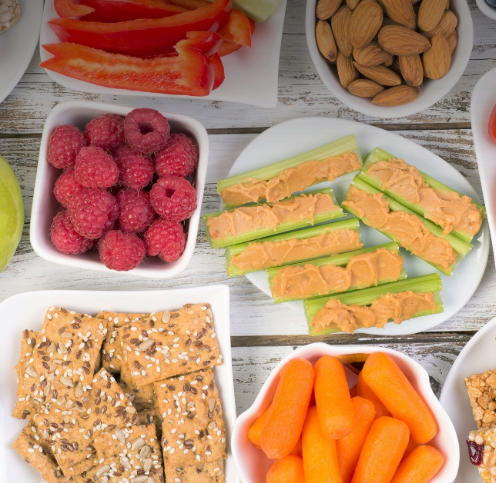
Choosing the right snacks is just as important as planning your meals. Instead of keeping highly processed or sugary options within easy reach, consider having snacks that combine fiber and protein. These types of snacks help you feel full and provide more stable energy. For example, fruit paired with nuts or yogurt can be satisfying without leading to a quick energy crash. When your snacks are more balanced, you are less likely to keep reaching for more.
Related posts