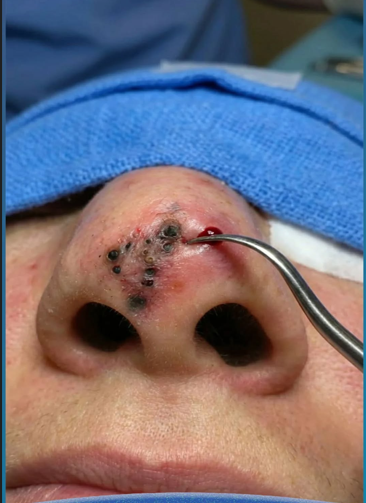
Blackheads are one of the most common and widely recognized skin

Blackheads are one of the most common and widely recognized skin concerns. Nearly everyone experiences them at some point, whether …
Many people assume they are caused by poor hygiene or that they appear only on oily skin,
but the truth is more nuanced and reassuring. Understanding what blackheads are and how they form can make them easier to manage while also helping people feel more confident about their skin.
Blackheads are a type of clogged pore. Each pore on the skin contains a hair follicle and an oil-producing gland known as a sebaceous gland. These glands produce sebum, which is a natural oil that helps keep the skin soft and protected. Sebum is beneficial and plays an important role in maintaining healthy skin. However, when excess oil mixes with dead skin cells and becomes trapped in a pore, it can form a small blockage. When this blockage is exposed to air, it oxidizes and turns dark, creating what is commonly known as a blackhead.
Despite their dark appearance, blackheads are not filled with dirt. This is one of the most widespread misconceptions. The dark color forms due to oxidation, which is a natural chemical reaction that occurs when the contents of the pore are exposed to air. This means that blackheads can appear even when someone maintains a consistent and careful skincare routine. Understanding this can help reduce the frustration many people feel when blackheads appear unexpectedly.
Blackheads can form on various areas of the body, although they are most commonly found on the face. The nose, chin, and forehead are frequent locations because these areas tend to produce more oil. However, blackheads can also appear on the back, shoulders, chest, and even arms. Skin varies from person to person, and some individuals may notice blackheads appearing more frequently in certain areas based on their skin type, environment, or lifestyle.
Several factors can contribute to the development of blackheads. Natural oil production is one of the main factors. Some people naturally produce more oil than others, which can increase the likelihood of clogged pores. Hormonal changes can also play a role. During times such as adolescence, stress, or changes in routine, the skin may produce more oil, which can lead to an increase in blackheads. Environmental factors like humidity and air pollution can also influence how pores behave and how easily they become clogged.
Related posts